
Turtle & Tortoise Vitamins & Minerals Guide
Turtle & Tortoise Health Guides · Care
Turtle Vitamins and Minerals: Calcium, D3, Vitamin A and UVB

If you are reading about turtle vitamins, a veterinarian experienced with turtles and tortoises is the best first step. This guide explains what owners commonly see and what to do next. It does not diagnose or prescribe.
Turtle vitamins and minerals, especially calcium, vitamin D3, and vitamin A, are key to a strong shell, healthy eyes, and good appetite. Most problems come from too little, but too much vitamin D3 or vitamin A can also make a turtle ill.
Calcium for turtles works together with UVB light: without UVB, a turtle cannot make the vitamin D3 it needs to use calcium. Supplements support a good diet and setup; they do not replace them.
Important: Do not give vitamin A or vitamin D3 injections or large doses at home. Over-supplementing can be toxic. Your vet decides if extra vitamins are needed to treat a problem.
Why Turtle Vitamins Matter
Calcium and Phosphorus
Shell and bone need far more calcium than phosphorus. Low calcium leads to metabolic bone disease turtle problems.
UVB and Vitamin D3
UVB lets turtles make vitamin D3 in their skin. Indoor turtles without UVB depend on supplements, which is less reliable.
Vitamin A
Needed for healthy eyes, skin, and airways. See turtle vitamin A deficiency.
Common Supplement Choices
Calcium Dusting
Plain calcium powder on food is the basic supplement for most turtles.
With or Without D3
Calcium with D3 helps turtles without enough UVB; turtles with good UVB or sunlight may need less. Follow the label and your vet.
Multivitamins
A reptile multivitamin used as labeled helps fill gaps in the diet.
Cuttlebone
Many turtles and tortoises will nibble cuttlebone for extra calcium. It is a helpful extra, not a complete supplement.
Using Turtle Vitamins Safely
Follow the Label and Your Vet
More is not better. Stick to the label unless your vet advises otherwise.
Fix Diet and UVB First
A good diet and working UVB matter more than any powder. See turtle diet.
Watch for Eye and Appetite Signs
Swollen eyes and appetite loss can point to low vitamin A. See turtle swollen eyes.
What To Do Tonight
Related products

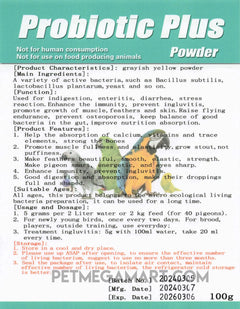
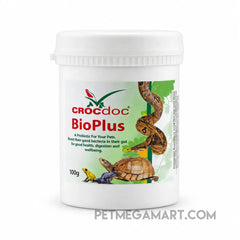
Reptile supplement listing. Follow the label, and check with your turtle or tortoise vet first for a sick, gravid, very young, or underweight animal.
View product →Free shipping on orders $75+. Prices and stock update automatically. Products are listed for education; medicines are used only when a veterinarian directs care. This page does not diagnose or prescribe.
Related Turtle & Tortoise Health Guides
Also keep lizards or snakes?
Lizards and snakes can get a similar problem, but their heat, water, diet and medicine needs are different. If you also keep other reptiles, use the reptile guide for them.
Turtle & Tortoise Vitamins & Minerals Guide FAQ
Do all turtles need vitamin powder?
Most captive turtles benefit from calcium and a reptile multivitamin used as labeled, but needs depend on species, diet, and UVB.
Can vitamins fix metabolic bone disease alone?
No. MBD needs a vet, plus correct UVB, temperatures, and diet. Supplements are only one part.
Is cuttlebone enough?
Cuttlebone is a good extra source of calcium, but most turtles still need calcium dusting and UVB.
Can turtles get too much vitamin A?
Yes. Too much vitamin A, especially from injections or concentrated supplements, can damage the skin and liver. Use only as labeled or as your vet directs.
Is this Turtle & Tortoise Vitamins & Minerals Guide guide a substitute for a vet visit?
No. It is educational only. A veterinarian experienced with turtles and tortoises should guide diagnosis and any treatment.
Can I work out a medication dose from this page?
No. Never work out doses from product strengths or internet pages. Turtle and tortoise doses depend on the species, weight, temperature, and health of the individual animal, so they must come from your veterinarian.