
Turtle & Tortoise Probiotics Guide
Turtle & Tortoise Health Guides · Care
Turtle Probiotics: Gut Support, Turtle Diarrhea Basics and Safe Use

If you are reading about turtle probiotics, a veterinarian experienced with turtles and tortoises is the best first step. This guide explains what owners commonly see and what to do next. It does not diagnose or prescribe.
Turtle probiotics are supplements with helpful gut bacteria. Vets sometimes suggest them after a course of antibiotics, during recovery from illness, or after a big diet change, to help the gut settle.
Turtle diarrhea (runny, watery, or very smelly poop) is a common reason keepers look at probiotics. Probiotics can support the gut, but they do not fix the cause, which may be parasites, diet, cool temperatures, or infection.
Important: Diarrhea with blood, weight loss, a turtle that will not eat, or diarrhea lasting more than a couple of days needs a vet. Probiotics are not a treatment for parasites or infection.
When Vets Suggest Turtle Probiotics
After Antibiotics
Antibiotics can upset the normal gut bacteria. See turtle antibiotics.
During Recovery
Sick, stressed, or underweight turtles may benefit as part of turtle supportive care.
Diet Changes
When moving a turtle or tortoise onto a better diet, some keepers use probiotics to ease the change.
Turtle Diarrhea: What To Watch For
Frequency and Texture
Note how often and how runny. See what does tortoise poop look like for healthy vs unhealthy poop.
Parasites and Diet
Parasites, too much fruit, and spoiled food are common causes. See parasites in turtles.
Hydration
Diarrhea causes fluid loss. Offer water and soaks. See dehydrated tortoise.
Warmth
Cool turtles digest poorly. Check basking and water temperatures.
Using Probiotics Safely
Choose a Reptile Product
Use a probiotic made for reptiles and follow the label or your vet’s advice.
Fix the Cause First
Probiotics support recovery; they are not a substitute for a fecal exam, a better diet, or correct temperatures.
Part of a Bigger Plan
Pair gut support with warmth, hydration, and good food as your vet advises.
What To Do Tonight
Related products

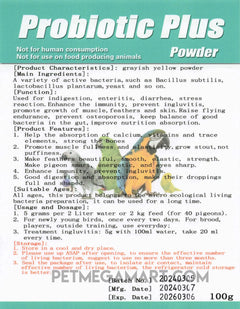
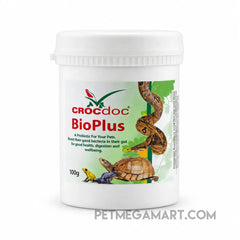
Reptile supplement listing. Follow the label, and check with your turtle or tortoise vet first for a sick, gravid, very young, or underweight animal.
View product →Free shipping on orders $75+. Prices and stock update automatically. Products are listed for education; medicines are used only when a veterinarian directs care. This page does not diagnose or prescribe.
Related Turtle & Tortoise Health Guides
Also keep lizards or snakes?
Lizards and snakes can get a similar problem, but their heat, water, diet and medicine needs are different. If you also keep other reptiles, use the reptile guide for them.
Turtle & Tortoise Probiotics Guide FAQ
Do turtles need probiotics regularly?
No. Healthy turtles on a good diet do not need them. Vets may suggest them after antibiotics, illness, or diet changes.
Will probiotics stop turtle diarrhea?
Not on their own. Diarrhea has a cause, such as parasites, diet, cool temperatures, or infection, that needs fixing. Probiotics may help the gut recover.
What causes turtle diarrhea?
Parasites, too much fruit or watery food, spoiled food, cool temperatures, stress, infection, and some medicines.
Are probiotics safe for tortoises?
Reptile probiotics are generally safe when used as labeled. Ask your vet if your tortoise is ill.
Is this Turtle & Tortoise Probiotics Guide guide a substitute for a vet visit?
No. It is educational only. A veterinarian experienced with turtles and tortoises should guide diagnosis and any treatment.
Can I work out a medication dose from this page?
No. Never work out doses from product strengths or internet pages. Turtle and tortoise doses depend on the species, weight, temperature, and health of the individual animal, so they must come from your veterinarian.