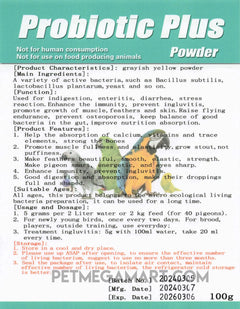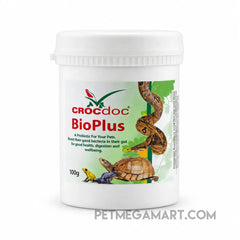

Reptile Vitamins & Minerals Guide
Reptile Health Guides · Care Library
Reptile Vitamin Supplement Guide: Calcium, Vitamin D3, Multivitamins & UVB

If you are reading about reptile vitamin supplement, a reptile-experienced veterinarian is the best first step. This guide explains what owners commonly see and what to do next. It does not diagnose or prescribe.
A reptile vitamin supplement fills gaps that captive diets leave, especially calcium and vitamin A for insect eaters. Used well, supplements prevent metabolic bone disease and eye problems. Used too much, some can cause harm.
Supplements work alongside UVB lighting and a varied diet, not instead of them.
Important: Do not give extra vitamin D3 or vitamin A drops on your own, and do not double up products that contain the same vitamins. Tremors, a soft jaw, or swollen eyes need a vet.
Types of Reptile Supplements
Calcium Without D3
Used for many insect dusting meals when your reptile has good UVB and makes its own vitamin D3.
Calcium With D3
Used more for species that get little UVB, such as leopard geckos, or as your vet advises. Too much D3 can cause harm.
Multivitamins
Provide vitamin A and other vitamins and trace minerals, usually used less often than calcium.
Shedding and Breeding Formulas
Blends made for skin and shedding, or for the extra needs of breeding females. Choose one approach rather than stacking several.
Calcium, Vitamin D3 and UVB
UVB When Your Species Needs It
Most day-active lizards need UVB to make vitamin D3. Supplements cannot fully replace good lighting.
Dusting Insects
Lightly coat insects in powder just before feeding. Follow the label and your vet's advice on how often for your species and age.
Signs of Too Little
Tremors, weak legs, and a soft jaw point to metabolic bone disease. Swollen eyes in insect eaters can point to low vitamin A; see eye problems in reptiles.
Using Supplements Safely
Avoid Double-Stacking
Two or three products can add up to too much vitamin D3 or vitamin A. Check labels and keep a simple routine.
Breeding Females
Egg-laying females use a lot of calcium. Low calcium is a common cause of egg binding.
Ask Before Treating Illness
If your reptile is sick, ask your vet before changing supplements.
If Your Reptile Seems Unwell Tonight
Related products

Supplement listing. Follow the label, and check with your reptile vet first for a sick, gravid, very young, or underweight reptile.
View product →
Supplement listing. Follow the label, and check with your reptile vet first for a sick, gravid, very young, or underweight reptile.
View product →Free shipping on orders $75+. Prices and stock update automatically. Products are listed for education; medicines are used only when a veterinarian directs care. This page does not diagnose or prescribe.
Related Reptile Health Guides
Back to Reptile Health Guides →Reptile Vitamins & Minerals Guide FAQ
Do all reptiles need vitamin supplements?
Most insect-eating and omnivorous lizards need calcium and a multivitamin because captive insects are low in calcium and vitamin A. Snakes eating whole prey usually do not need routine supplements.
Can vitamins replace UVB?
Not fully. Calcium with D3 helps species that get little UVB, but most day-active lizards still need proper UVB lighting.
What if my reptile has MBD signs?
See a vet. Your reptile may need injected or liquid calcium and a lighting fix, not just more powder. See metabolic bone disease.
Can a reptile get too many vitamins?
Yes. Too much vitamin D3 or vitamin A can cause harm, so avoid stacking products and follow labels.
Is this Reptile Vitamins & Minerals Guide guide a substitute for a vet visit?
No. It is educational only. A veterinarian experienced with reptiles should guide diagnosis and any treatment.
Can I work out a medication dose from this page?
No. Never work out doses from product strengths or internet pages. Reptile doses depend on the species, weight, temperature, and health of the individual animal, so they must come from your veterinarian.