
Sick Reptile Supportive Care
Reptile Health Guides · Care Library
Reptile Supportive Care: Helping a Sick Reptile Recover at Home

If you are reading about reptile supportive care, a reptile-experienced veterinarian is the best first step. This guide explains what owners commonly see and what to do next. It does not diagnose or prescribe.
Reptile supportive care is everything that helps a sick reptile recover while the vet's treatment works: the right heat, a clean hospital setup, fluids, nutrition, and careful tracking.
For first steps when a reptile becomes ill, start with sick reptile care.
Important: Supportive care works alongside a vet's plan, not instead of it. Weight loss during recovery, new symptoms, or refusing food for days need a call to your vet.
A Recovery Setup
Hospital Enclosure
Paper towel, plastic hides on both sides, a shallow water dish, and nothing your reptile can swallow or fall from.
Warmth
Keep the basking area in the normal range for your species. Warmth helps digestion and immunity during recovery.
Hygiene
Change paper and water daily and wash hands before and after handling.
Nutrition and Fluids During Recovery
Hydration
Offer water, misting, or short lukewarm soaks. Vets may give fluids by injection. See dehydration in reptiles.
Assisted Feeding Only With Guidance
Recovery formulas for reptiles can be fed by syringe, but only after your vet shows you how much, how often, and how to do it safely.
Recovery Powders and Probiotics
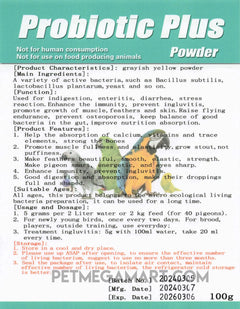
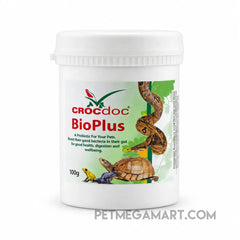
Tonic powders and probiotics may support recovery alongside treatment.
Tracking Progress
Daily Weight
Weigh at the same time each day during recovery.
Medicine Log
Write down every medicine your vet prescribed and when you gave it.
Know the Warning Signs
Breathing trouble, new swelling, or weakness means a call to your vet.
What To Do Tonight
Recovering well
Eating a little more each day, steady weight, more active: keep the plan going and attend rechecks.
Not improving
Losing weight, refusing food for days, or new signs: call your vet before the next scheduled visit.
Related products

Supplement listing. Follow the label, and check with your reptile vet first for a sick, gravid, very young, or underweight reptile.
View product →
Sick Reptile Tonic Powder - CROCdoc Guardian Angel
see current price
In stock
Supplement listing. Follow the label, and check with your reptile vet first for a sick, gravid, very young, or underweight reptile.
View product →
Supplement listing. Follow the label, and check with your reptile vet first for a sick, gravid, very young, or underweight reptile.
View product →Free shipping on orders $75+. Prices and stock update automatically. Products are listed for education; medicines are used only when a veterinarian directs care. This page does not diagnose or prescribe.
Related Reptile Health Guides
Back to Reptile Health Guides →Sick Reptile Supportive Care FAQ
What is reptile supportive care?
The warmth, hygiene, fluids, nutrition, and tracking that help a sick reptile recover while a vet's treatment works.
How is this different from sick reptile care?
Sick reptile care covers the first day; supportive care covers the days and weeks of recovery under a vet plan.
Can supportive products replace a vet visit?
No. Recovery formulas, tonic powders, and probiotics support treatment but do not diagnose or treat the cause.
Is this Sick Reptile Supportive Care guide a substitute for a vet visit?
No. It is educational only. A veterinarian experienced with reptiles should guide diagnosis and any treatment.
Can I work out a medication dose from this page?
No. Never work out doses from product strengths or internet pages. Reptile doses depend on the species, weight, temperature, and health of the individual animal, so they must come from your veterinarian.