
Appetite Loss in Reptiles
Reptile Health Guides · Symptoms
Reptile Not Eating: Normal Reasons, Red Flags & What To Do Next

If you are reading about reptile not eating, a reptile-experienced veterinarian is the best first step. This guide explains what owners commonly see and what to do next. It does not diagnose or prescribe.
A reptile not eating is not always sick. Reptiles naturally eat less before a shed, in cooler months, during brumation, and in breeding season. But appetite loss is also one of the first signs of illness, a cool enclosure, impaction, or parasites.
The key is weight. A reptile that skips meals but holds its weight is usually less urgent than one that is losing weight, getting weaker, or showing other signs.
Important: Not eating with weight loss, weakness, sunken eyes, bubbles at the nose, swelling, or no poop for a long time needs a reptile vet. Babies and juveniles have little reserve and need help sooner than adults.
What Appetite Loss Can Mean
Normal Pauses
Pre-shed (cloudy eyes in snakes), brumation in bearded dragons, winter or breeding-season fasting in ball pythons, and gravid females late in pregnancy.
Setup Problems
A basking spot that is too cool is the most common fixable cause. Reptiles cannot digest food without enough heat. See reptile habitat.
Appetite-Loss Checklist
Missed Meals vs True Refusal
Is your reptile ignoring food, trying and failing, or spitting it out? Each points to different causes.
Weight Trend
Weigh weekly on a gram scale. Steady loss is a stronger warning than a few skipped meals.
Poop and Urates
No poop, runny poop, or orange urates point to impaction, parasites, or dehydration. See the poop chart.
Temperature Check
Measure the basking spot and cool side with a digital thermometer or temperature gun, not a stick-on dial.
Species Notes: Bearded Dragons, Leopard Geckos & Ball Pythons
Bearded Dragon Not Eating
Often brumation, a cool basking spot, shedding, stress, or impaction. How long can a bearded dragon go without eating? A healthy adult in brumation can go weeks while holding weight; outside brumation, an adult refusing food for more than a week or two, or any baby refusing food for a few days, should see a vet.
Leopard Gecko Not Eating
Watch the tail: leopard geckos store fat there, so a shrinking tail is a warning. Shedding, cool belly heat, stress, parasites, and impaction are common causes.
Ball Python Not Eating
Ball pythons often fast for weeks or months, especially in winter or breeding season. If weight stays steady and the snake looks healthy, that is often normal. Weight loss or other signs are not.
What To Do Tonight
Mild / early
A few skipped meals, steady weight, normal poop, a likely reason (shed, brumation, season): fix temperatures and keep weighing weekly.
Severe / urgent
Weight loss, weakness, sunken eyes, swelling, no poop, or a baby not eating: see a reptile vet.
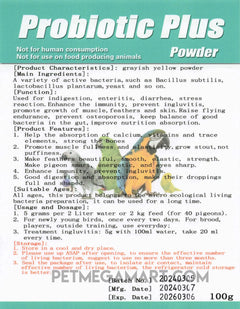
Related products

Supplement listing. Follow the label, and check with your reptile vet first for a sick, gravid, very young, or underweight reptile.
View product →
Sick Reptile Tonic Powder - CROCdoc Guardian Angel
see current price
In stock
Supplement listing. Follow the label, and check with your reptile vet first for a sick, gravid, very young, or underweight reptile.
View product →Free shipping on orders $75+. Prices and stock update automatically. Products are listed for education; medicines are used only when a veterinarian directs care. This page does not diagnose or prescribe.
Related Reptile Health Guides
Appetite Loss in Reptiles FAQ
Why is my reptile not eating?
Common reasons include shedding, brumation, a cool enclosure, stress after a move, breeding season, impaction, parasites, and infections. Check temperatures first and track weight.
Why is my snake not eating?
Snakes, especially ball pythons, often fast during shed, in winter, or in breeding season. Wrong temperatures, stress, or illness can also stop feeding. Steady weight is reassuring; weight loss is not.
How long can a bearded dragon go without eating?
A healthy adult in brumation may go weeks without food while holding weight. Outside brumation, an adult refusing food for more than a week or two, or any baby refusing food for a few days, should see a vet.
Should I force-feed my reptile?
Only if a vet tells you to and shows you how. Assisted feeding done wrong can cause choking or injury. See reptile supportive care.
Is this Appetite Loss in Reptiles guide a substitute for a vet visit?
No. It is educational only. A veterinarian experienced with reptiles should guide diagnosis and any treatment.
Can I work out a medication dose from this page?
No. Never work out doses from product strengths or internet pages. Reptile doses depend on the species, weight, temperature, and health of the individual animal, so they must come from your veterinarian.